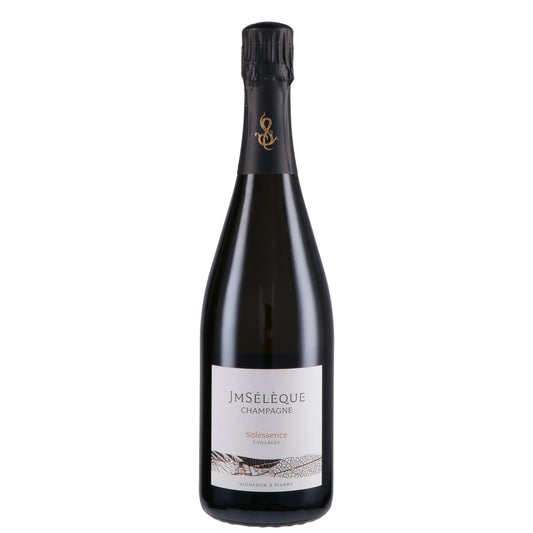
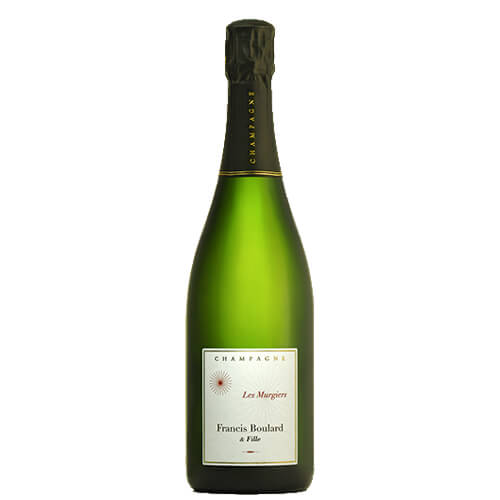
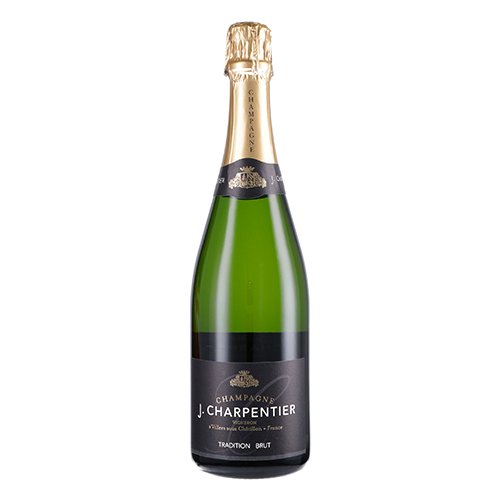
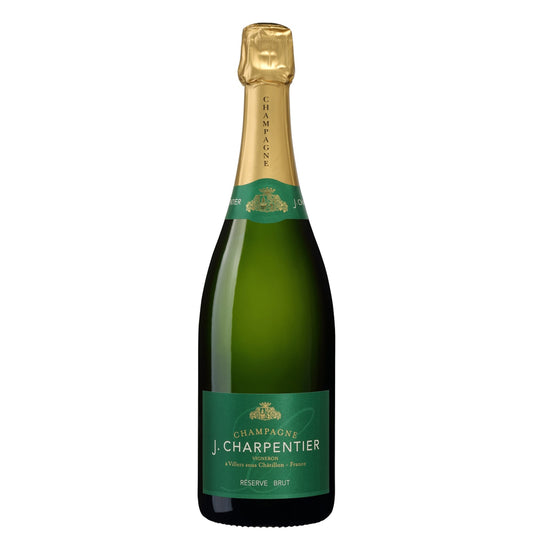
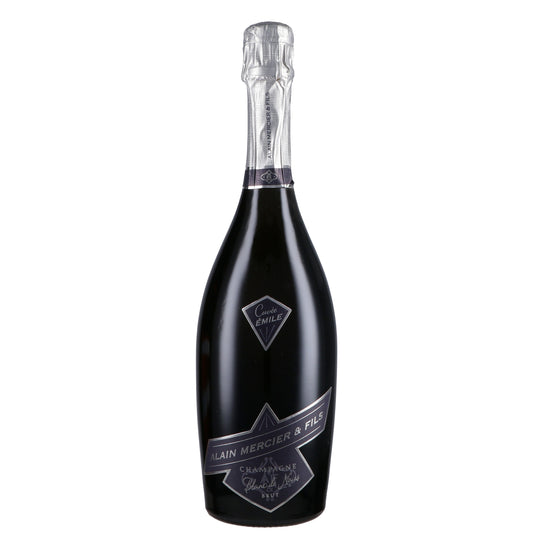
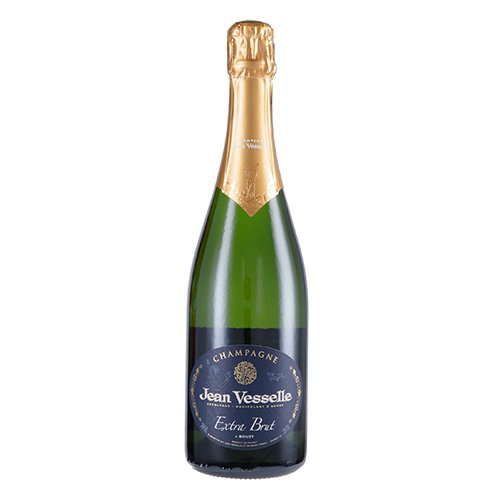
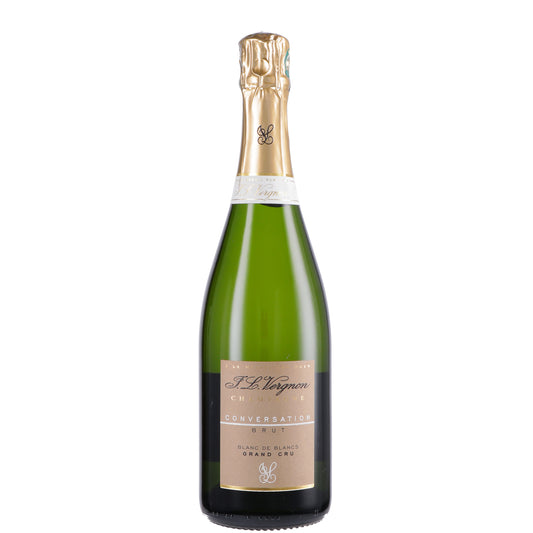
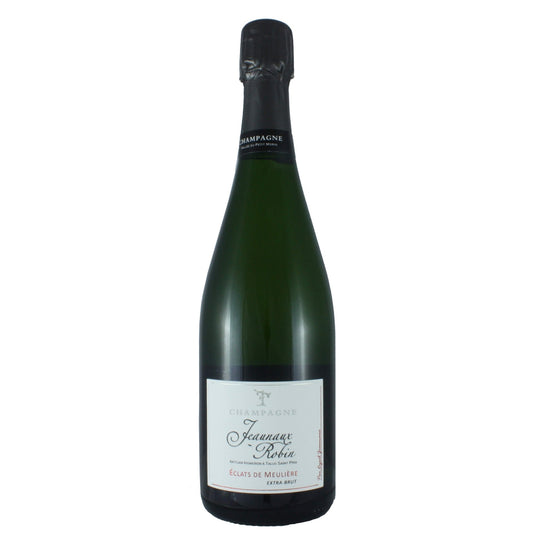
Until a few years ago, Champagne was the exclusive domain of large maisons and famous brands. Almost all small winegrowers sold their grapes to these large companies, without worrying about vinifying and selling their own sparkling wines. Now, however, the scenario has changed: new vignerons are emerging, the children or grandchildren of these same small winegrowers, who are starting to create their own Champagne, adding value to their territories, even to individual plots, and reviving traditional techniques with a modern approach. This is the new wave of signature Champagne.
What they have in common
All the new Champagne vignerons share some fundamental characteristics:
They are récoltant-manipulants. This means that they are the owners of the vineyards from which they make their own Champagne: they no longer sell their grapes to the big brands, but compete with them.
They prioritize quality over quantity. All new Champagne vignerons have limited, often numbered, productions because they only respond to the rules of quality and uniqueness.
They interpret tradition. They revive ancient customs, such as the use of small barrels, but choose Burgundy woods rather than local ones to give their wine a contemporary, sometimes pioneering, feel.
They practice parcel cuvée. They vinify each small cru, each individual plot, separately to recover the anthropological, even before the oenological, meaning of their wine.
Why we like them
Vigneron Champagnes have gained worldwide fame and are sold out at international tastings, and this is not just a fad: their Champagnes are unique, they tell the story of who they are, their personality, their courage, even their flaws. And that's what we like most about them.
If you want to know more, we have written a micro-guide that explains in detail the difference between vignerons and Champagne houses.